

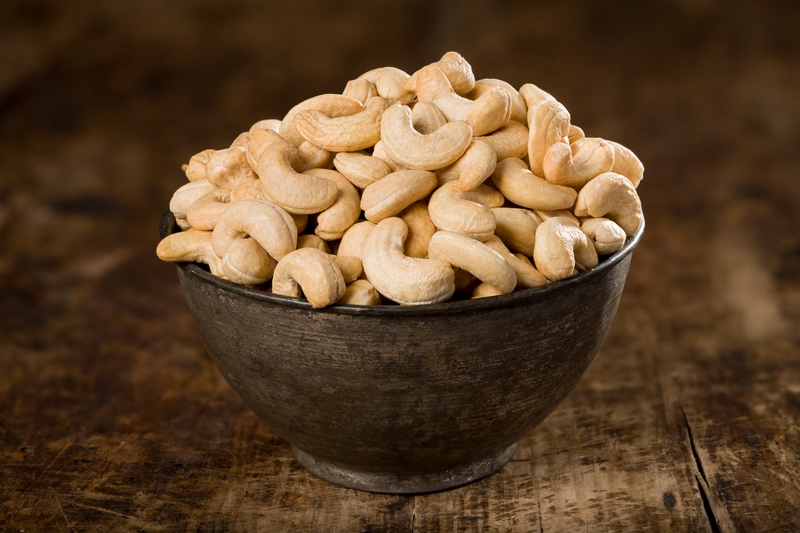
With winter settling in, health experts recommend adding cashews to your daily diet to keep the body warm, strengthen immunity, and maintain energy levels. Cashews and raisins are among the most preferred dry fruits due to their rich taste and nutritional value. Cashews can be consumed as a snack, either raw or lightly roasted with salt.
How Many Cashews Should You Eat in a Day?
Cashews are delicious, and once you start eating them, it’s hard to stop. However, nutritionists advise consuming them in limited quantities.
-
Adults should eat 3–4 cashews per day.
-
Children should be given only 2 cashews daily.
Those who enjoy cashews a lot may consume up to 4–5 pieces, but exceeding this can lead to excess calorie intake. Cashews also help in controlling hunger.
How Should Cashews Be Consumed?
Cashews can be eaten raw, but roasting them lightly with salt enhances the flavor.
For children, cashews combined with honey can be beneficial. The mixture promotes gut health, improves digestion, and helps in healthy weight gain. Cashews also provide healthy fats and antioxidants that keep the skin hydrated.
Health Benefits of Eating Cashews
-
Boosts Immunity:
Daily consumption of cashews helps meet the body’s zinc requirement, essential for strengthening immunity. -
Good for Heart Health:
Cashews help increase good cholesterol levels. The presence of Vitamin E also contributes to healthy skin and improved heart function. -
Improves Digestion:
Cashews contain dietary fiber, which supports healthy digestion and prevents digestive issues. -
Strengthens Bones:
Rich in calcium and magnesium, cashews help in building stronger bones. -
Enhances Brain Health:
Cashews contain antioxidants, protein, healthy fats, and polyphenols that support brain function and overall mental health.

