

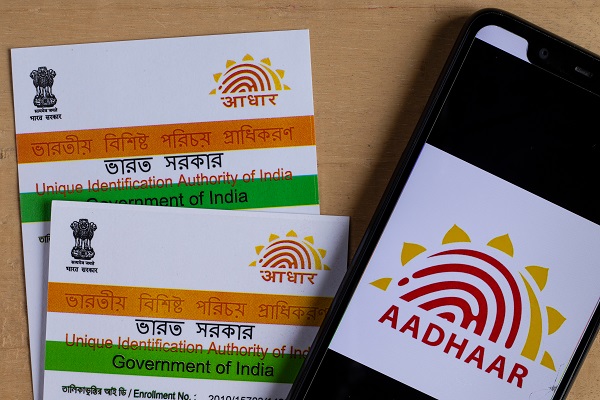
New Delhi: In one of the largest data-purification exercises undertaken so far, the Unique Identification Authority of India (UIDAI) has deactivated over 20 million Aadhaar numbers belonging to deceased individuals. The move aims to prevent misuse of Aadhaar credentials and strengthen the integrity of India’s national identity database.
According to officials, UIDAI carried out the exercise after receiving verified death-records from the Registrar General of India (RGI), state governments, Union Territories, and various welfare departments. These records were matched with the Aadhaar database to identify and disable IDs of individuals who had passed away.
UIDAI clarified that an Aadhaar number, once issued, is never reassigned. Deactivation is carried out solely to prevent fraudulent activities, including unauthorized access to welfare benefits, banking services, and government schemes in the name of deceased citizens.
To support families, UIDAI has also activated an online death-reporting facility on the my Aadhaar portal, allowing relatives to request deactivation by submitting the Aadhaar number of the deceased and the corresponding death-registration details.
Officials further stated that the cleanup exercise is ongoing, with more states and agencies expected to submit updated death-records for verification in the coming months. UIDAI is also working on improving its real-time data-sharing systems with government departments to ensure timely updates.
The authority emphasized that if a healthy individual’s Aadhaar number is mistakenly deactivated, there is a reactivation process, allowing the person to submit proof of identity and restore services.
This large-scale initiative is expected to significantly boost data accuracy, reduce leakages in welfare programs, and curb identity fraud across the country.

