

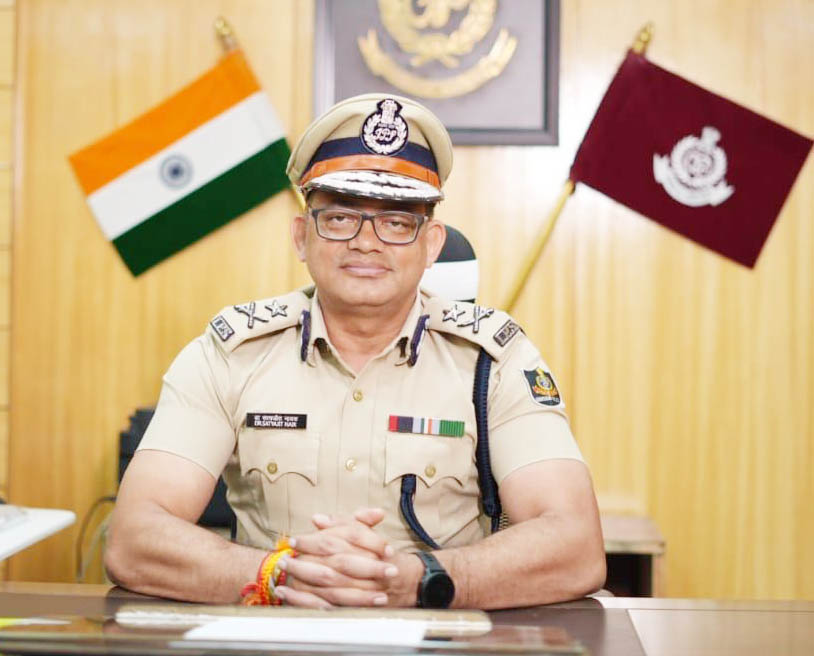
CUTTACK: In a rapidly changing society, the responsibilities of the police are no longer confined to maintaining law and order and investigating offences. The emergence of cybercrime, changing patterns of organised crime, road safety challenges, drug abuse, online fraud and the growing expectations of citizens have expanded the scope of modern policing.
Dr Satyajit Nayak, IPS, Inspector General of Police, Central Range, believes that policing must remain firmly connected with the people it serves. Along with professional enforcement, he emphasises prevention, public awareness, responsiveness, sensitivity and community participation. According to him, technology can strengthen policing, but the foundation of public safety will always remain trust, discipline and cooperation between citizens and the police.
In an interaction with our Staff Reporter, Dr Nayak spoke at length about the changing face of policing, police-public relations, women and child safety, cybercrime, drug abuse, road safety, online gaming, disaster preparedness, technology and the responsibilities of citizens.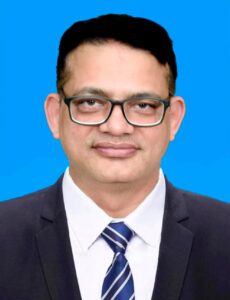
Q: How do you see the changing role of the police in today’s society?
Dr Satyajit Nayak: The role of the police is continuously evolving with society. Traditionally, policing was largely associated with maintaining law and order, preventing crime and investigating offences. These responsibilities remain fundamental, but today’s police officer has to respond to many new challenges.
Cybercrime, online fraud, social-media-related offences, organised crime, drug trafficking, road safety and crimes involving vulnerable sections require new skills and new approaches. At the same time, people expect the police to be accessible and responsive.
Therefore, modern policing has two important dimensions. One is firm and professional enforcement of law, and the other is people-oriented service. The police must be strong enough to deal with offenders and sensitive enough to understand the concerns of ordinary citizens. Both are essential.
Q: You often speak about police-public trust. Why is it so important?
Dr Nayak: Trust is the foundation of effective policing. A police force cannot prevent every crime by itself. It requires information, cooperation and participation from the community.
When people trust the police, they are more likely to report crimes, provide information and cooperate during investigations. Trust also encourages victims and vulnerable persons to approach the police without fear or hesitation.
For this reason, every interaction between a police officer and a citizen matters. A polite response, a patient hearing and timely action can create confidence. On the other hand, even a single insensitive interaction can affect public perception. We must therefore constantly work to make policing more accessible, professional and citizen-friendly.
Q: What can police personnel do to improve their relationship with citizens?
Dr Nayak: Listening is one of the most important qualities of a police officer. A citizen who comes to a police station may already be under stress. The officer must first understand the person’s problem properly.
Professional conduct, courtesy, impartiality and timely response are extremely important. At the same time, citizens must also understand that the police have to function within the framework of law and procedure.
Police-public relations cannot be improved by one side alone. It is a partnership. The police must discharge their duties responsibly, while citizens should cooperate with investigations, follow the law and provide correct information.
Q: Women and children require special protection. What should be the approach of policing in this area?
Dr Nayak: Women and children are among the most vulnerable sections of society, and their safety must receive sustained attention. Protection cannot begin only after a crime occurs. Prevention and awareness are equally important.
Women should feel confident that they can approach the police whenever they face harassment, violence, intimidation or any other threat. Similarly, children need an environment where they can speak about problems without fear.
Families, educational institutions, communities and the police all have responsibilities. We should create an atmosphere in which children are taught about personal safety, responsible use of technology and the importance of seeking help when something goes wrong.
Q: Cybercrime has become a major challenge. What is your advice to the public?
Dr Nayak: Cyber safety must become part of everyday life. People should never share OTPs, passwords, PINs, banking details or other confidential information with unknown persons.
Fraudsters often create a sense of urgency or fear. They may pretend to be officials, bank representatives or other trusted persons. Citizens should remain calm and independently verify such claims.
People should also be careful while clicking unknown links, downloading applications or responding to suspicious messages. Social-media accounts should be protected with strong passwords and appropriate security settings.
Most importantly, people should report suspected cyber fraud immediately rather than delaying because of embarrassment or fear. Quick reporting can be important in the response to financial fraud.
Q: Social media has become an important part of public life. What precautions should users take?
Dr Nayak: Social media provides many benefits, but it also carries responsibilities. People should think carefully before forwarding or posting information.
Rumours, manipulated content and provocative messages can create unnecessary tension. Citizens should verify information before sharing it. We should not allow social media to become a source of conflict or misinformation.
Parents should also guide children about responsible online behaviour. Digital citizenship is now as important as responsible behaviour in the physical world.
Q: Excessive online gaming among young people is another concern. What is your message to parents and youngsters?
Dr Nayak: Technology itself is neither good nor bad; its impact depends on how we use it. Excessive gaming can interfere with education, physical activity, family interaction and healthy routines.
Parents should maintain communication with their children rather than simply imposing restrictions. They should know what their children are doing online and encourage sports, reading, hobbies and outdoor activities.
Young people should understand that technology should support their development, not dominate their lives. A balanced routine is important for both physical and mental well-being.
Q: Drug abuse is increasingly discussed as a social and law-and-order concern. How can society address it?
Dr Nayak: Drug abuse affects not only an individual but also families and communities. Enforcement against trafficking and illegal supply is necessary, but prevention requires a broader social response.
Parents, teachers, community leaders and young people themselves have important roles. Awareness should begin early. Young people should understand the risks associated with substance abuse and make informed choices.
The police will continue to take action against those involved in illegal drug activities. At the same time, citizens should share information about suspected trafficking and support efforts to keep communities safe.
My message to young people is simple: Say No to Drugs, Yes to Life—Every Day, Every Time.
Q: Road accidents continue to be a serious concern. What can citizens do?
Dr Nayak: Road safety begins with individual responsibility. Many accidents can be prevented if people follow basic traffic rules.
Speeding, dangerous overtaking, driving under the influence of alcohol, using mobile phones while driving and not wearing helmets or seat belts can have serious consequences.
A traffic rule is not merely a legal requirement; it is a safety measure. Every driver should remember that a road is shared by pedestrians, cyclists, two-wheelers, cars, buses and other vehicles.
We need a culture in which people follow traffic rules even when there is no police officer present.
Q: How can technology transform policing?
Dr Nayak: Technology has become an important tool for modern policing. It can support crime detection, investigation, communication, information analysis and surveillance.
However, technology is only a tool. It cannot replace professional judgment, field experience, investigation skills and human interaction.
Police personnel must continuously learn and adapt to technological changes. At the same time, the use of technology must remain responsible, lawful and focused on public safety.
Q: Does technology also create new challenges for the police?
Dr Nayak: Certainly. Criminals are also using technology and adapting quickly. Cybercrime is one example. Offenders can operate across geographical boundaries and use sophisticated methods.
Therefore, police training must evolve continuously. Officers need to understand new forms of digital crime, evidence collection and investigation.
This is an ongoing process. Policing cannot remain static when society and technology are changing rapidly.
Q: What role can citizens play in preventing crime?
Dr Nayak: Citizens are an important part of the crime-prevention system. An alert community can provide valuable information to the police.
People should report suspicious activities rather than ignoring them. They should also avoid spreading rumours or taking the law into their own hands.
At the same time, citizens must protect their own homes, businesses and digital accounts through reasonable precautions.
A responsible citizen is not someone who merely expects protection from the police. A responsible citizen also contributes to the safety of the community.
Q: What is your message for senior citizens?
Dr Nayak: Senior citizens deserve special care and attention. Many elderly people live alone or may become vulnerable to fraud, theft or other forms of exploitation.
Families and neighbours should remain connected with them. Senior citizens should be cautious about sharing financial or personal information with strangers and should immediately inform the police if they feel threatened.
Community support can make a significant difference to their sense of security.
Q: How important is community participation during festivals and large public gatherings?
Dr Nayak: Festivals and public gatherings are an important part of our social and cultural life. The police have the responsibility of ensuring security and maintaining law and order, but public cooperation is equally important.
People should follow safety instructions, respect traffic arrangements and avoid rumours. During processions and immersion ceremonies, everyone should maintain discipline and cooperate with the arrangements made by the administration and police.
A peaceful festival is a collective achievement.
Q: Odisha frequently faces natural disasters such as cyclones and floods. What is the role of the police during such situations?
Dr Nayak: During disasters, the role of the police extends far beyond conventional law-and-order duties. Police personnel are often among the first responders.
They assist in evacuation, traffic management, rescue coordination, protection of property and maintaining communication with affected communities. Coordination with Fire Services, ODRAF, NDRF, Civil Defence and the district administration is essential.
Preparedness is the key. We must remain alert, identify vulnerable areas and ensure that our response mechanisms are ready before a crisis develops.
Q: What qualities do you expect from police personnel working in the field?
Dr Nayak: Discipline, integrity, courage, patience and compassion are essential qualities for a police officer.
Police work can be demanding and stressful. Officers often have to deal with difficult situations and people under extreme pressure. They must remain calm and professional.
At the same time, every police officer should remember that the uniform represents the institution. Our conduct should strengthen people’s confidence in the rule of law.
Q: How important is the mental and physical fitness of police personnel?
Dr Nayak: Fitness is fundamental to effective policing. Police personnel work in demanding circumstances and must often respond quickly to emergencies.
Physical fitness improves endurance and readiness, while a healthy routine contributes to better performance. Police personnel should also maintain a balanced lifestyle, adequate rest and a positive outlook.
A fit police force is better prepared to serve society.
Q: What is your view on the role of young people in building a safer society?
Dr Nayak: Young people are not merely the future; they are also an important part of the present. Their energy, creativity and technological understanding can contribute significantly to society.
They should stay away from drugs, violence and harmful online activities and focus on education, sports, innovation and constructive social engagement.
Young people can also become ambassadors of road safety, cyber awareness and responsible citizenship among their friends and communities.
Q: What message would you like to give to parents?
Dr Nayak: Parents should remain involved in their children’s lives. Communication is extremely important. Children should feel that they can discuss their problems with their parents without fear.
Parents should also understand the digital environment in which their children are growing. Monitoring should be accompanied by trust, guidance and conversation.
A strong family environment can prevent many problems before they reach the stage of becoming a social or legal issue.
Q: What does people-oriented policing mean to you?
Dr Nayak: People-oriented policing means keeping citizens at the centre of our approach. It does not mean compromising on enforcement. Rather, it means enforcing the law professionally while understanding the human circumstances behind every complaint.
A police officer must be firm where the law requires firmness and compassionate where a citizen needs support.
The objective is to create an environment in which people see the police not merely as an enforcement agency but also as a dependable public institution.
Q: Finally, what is your message to the people of the Central Range?
Dr Nayak: My message is one of cooperation and responsibility. Respect the law, respect one another and remain alert.
Do not spread rumours. Do not encourage violence. Do not share confidential information with strangers. Follow traffic rules, stay away from drugs and use technology responsibly.
The police are committed to protecting people and maintaining peace, but policing becomes more effective when citizens actively participate.
A safe society cannot be created by the police alone. It is built through the combined efforts of families, communities, institutions and responsible citizens.
Our shared objective should be simple: a peaceful society, a safer community and a stronger bond of trust between the police and the people.

