

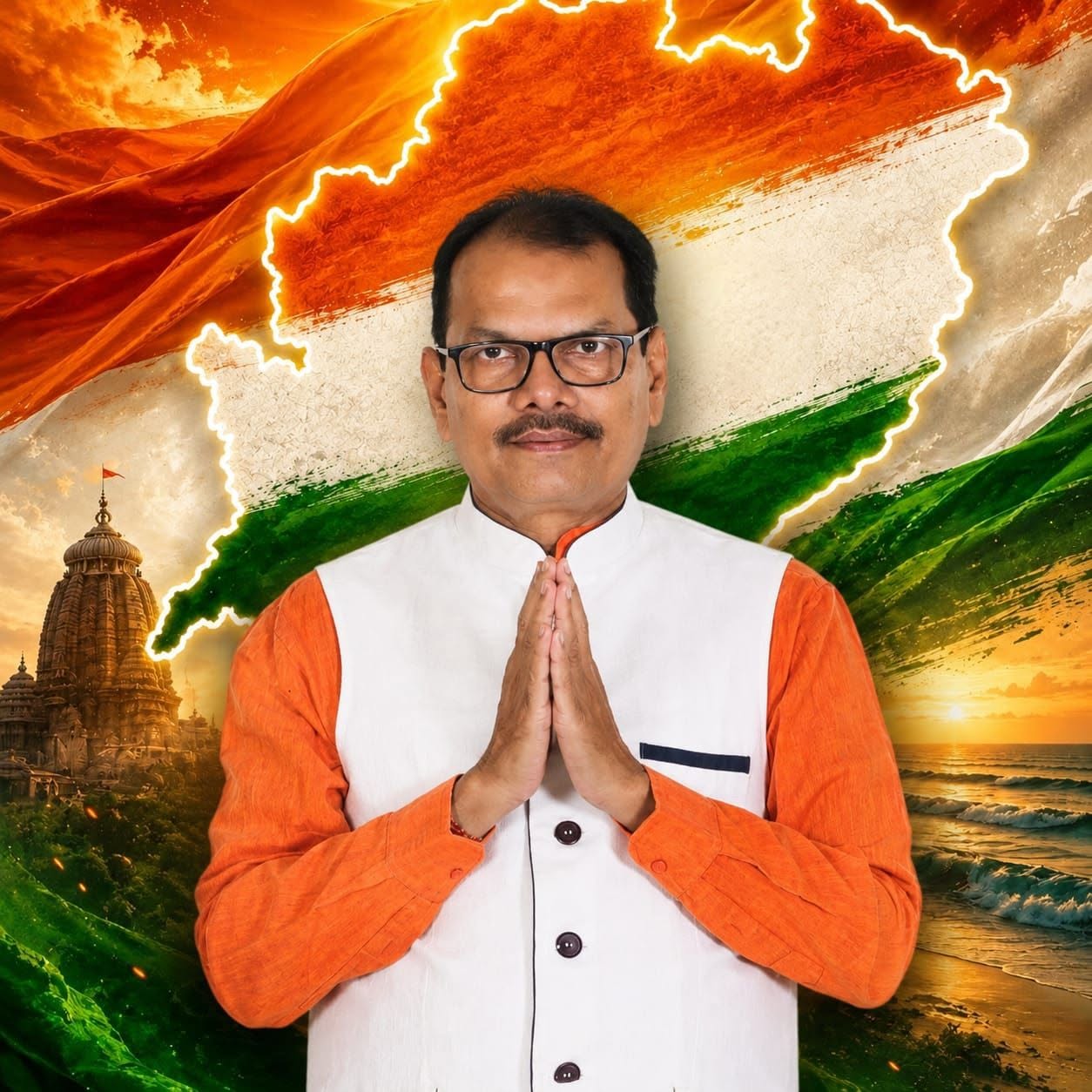
Jajpur, a district known for its rich cultural heritage, religious significance and industrial potential, has considerable opportunities for growth across agriculture, education, infrastructure, tourism and employment. As the district’s representative in the Lok Sabha, Dr. Rabindra Narayan Behera has a significant role in raising local concerns and advocating development priorities at the national level.
Elected to the 18th Lok Sabha in 2024, Dr. Behera brings an academic and professional background in information technology to public life. His doctoral qualification in artificial intelligence and professional experience associated with the National Informatics Centre reflect his engagement with the technology sector. Such experience offers a relevant perspective at a time when digital innovation and technology-driven governance are increasingly important to public administration.
Connecting Local Needs with National Priorities
For Jajpur, development means more than expanding infrastructure. It also involves improving connectivity, strengthening agricultural support systems, creating employment opportunities for young people and ensuring that the benefits of public welfare programmes reach the intended beneficiaries.
Rail connectivity, irrigation infrastructure, planned urban development and support for traditional artisans are among the issues relevant to the district’s long-term progress. Better transport links can facilitate the movement of people and goods, while improved irrigation can support farmers and strengthen rural livelihoods. Similarly, access to markets, modern technology and institutional support can help traditional craftspeople sustain their livelihoods.
The district’s industrial centres, particularly the Kalinganagar region, also present opportunities for economic growth. However, sustainable industrial development must go hand in hand with environmental responsibility, local employment, adequate civic amenities and the welfare of communities living in surrounding areas.
Technology as a Tool for Public Service
In an increasingly digital world, technology can play an important role in improving transparency, public service delivery and access to information. A technology-oriented approach to governance can help address administrative challenges, improve coordination between departments and make essential services more accessible to citizens.
For a district such as Jajpur, the effective use of digital systems could support public grievance redressal, agricultural information services, education and the delivery of government benefits. The key challenge is to ensure that these systems remain accessible to people in rural and remote areas, including those with limited digital literacy.
Preserving Heritage While Building the Future
Jajpur’s cultural and religious heritage remains an important part of its identity. The historic Biraja Temple and the district’s archaeological and Buddhist heritage offer opportunities for responsible tourism and cultural preservation.
Investment in visitor facilities, sanitation, transport, heritage conservation and local tourism services could generate additional economic opportunities for residents. A balanced approach would help preserve the district’s historical character while supporting livelihoods and improving public amenities.
Accountability and Implementation Remain Essential
Public expectations from elected representatives are naturally high. Citizens look for measurable progress in roads, drinking water, healthcare, education, employment and other essential services. Parliamentary interventions and meetings with government authorities can help bring these issues to the forefront, but their long-term value depends on effective implementation and tangible outcomes.
Regular communication with constituents, transparent reporting on development initiatives and coordination with state and central authorities can strengthen public confidence. Equally important is the participation of local communities in identifying priorities and evaluating the progress of public projects.
A Shared Vision for Jajpur
The future of Jajpur will depend on coordinated efforts by elected representatives, government departments, local institutions, businesses and citizens. Development must be inclusive, environmentally responsible and responsive to the needs of people across both urban and rural areas.
Dr. Rabindra Narayan Behera’s parliamentary role provides an avenue for placing the district’s priorities before national policymakers. The larger objective is to translate those priorities into practical improvements that people can see and experience in their daily lives. Ultimately, the progress of Jajpur will be measured not only by the projects announced or proposals discussed, but also by the opportunities created, services improved and challenges resolved. A stronger Jajpur requires a forward-looking vision, accountable leadership and sustained efforts to turn development priorities into lasting public benefits.

